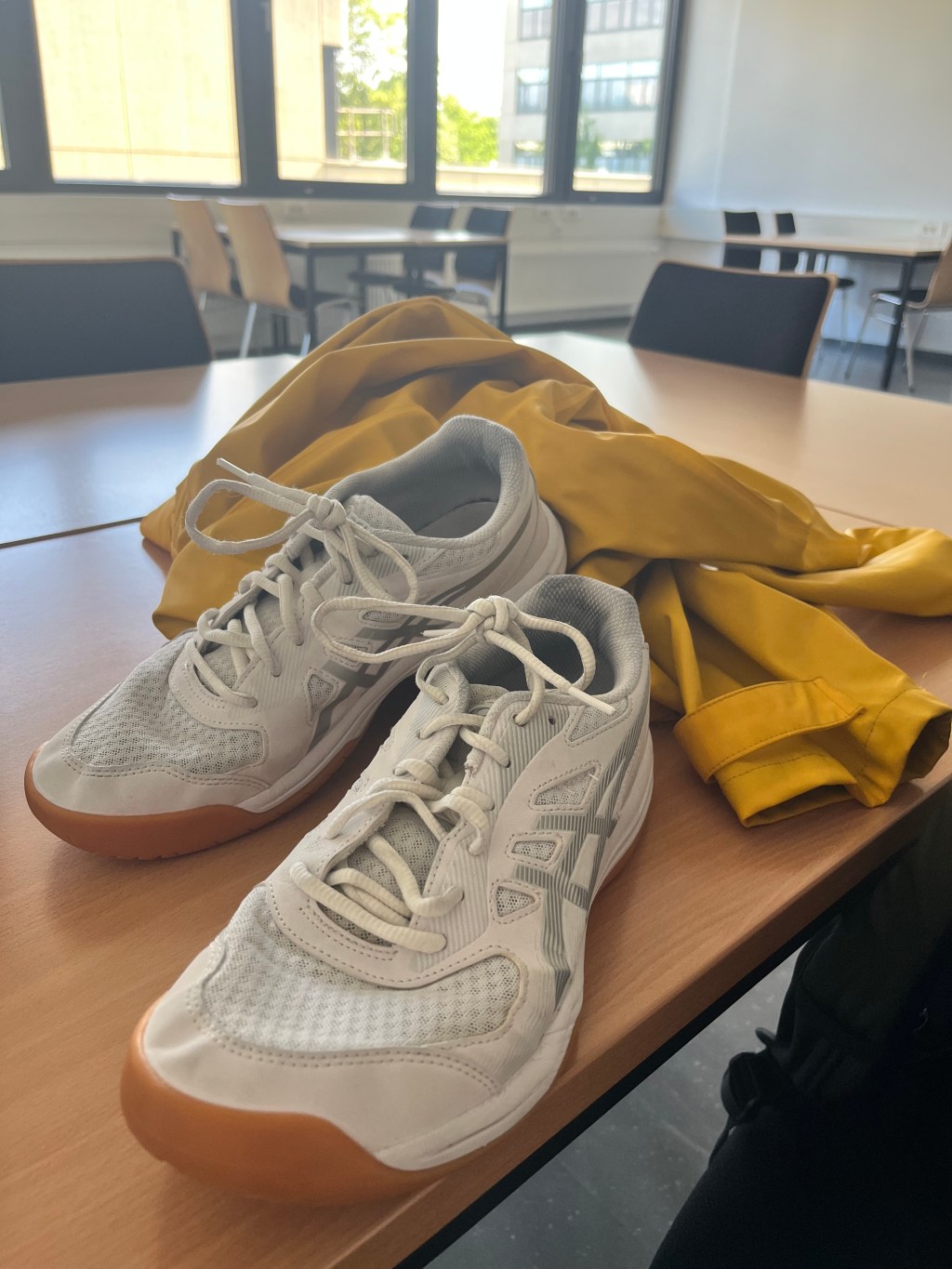
Should I skip Zumba today? Part of me thinks that I am using exercise as a way to procrastinate and satisfy my need to feel productive by doing this easier form of self-improvement instead of the difficult work that actually advances my long-term goals. That actual most important thing is finishing my math homework. Ideally, I would of course do both.
When I first learned about goal substitution, I immediately recognized that I was falling into this psychological trap pretty often. I struggle with procrastination anyways and this is one form of productive procrastination. Mostly, my poisons are consuming self-help content and working out — two actually worthwhile activities. They (somewhat unduly) make me feel like I am being disciplined, successful and hardworking. The problem is that I gain that satisfaction without making progress in my studies to ultimately achieve my academic long-term goals. So, I am getting my psychological need for progress met by doing something that is easier and more immediate, but by itself ultimately not enough to get me to where I want to be.
Worse, besides taking away from my time to study, exercise could theoretically also take away from my motivation. I sometimes experience ego depletion — one of the most controversial psychological phenomena. Ego depletion theory has proven difficult to support or debunk satisfactorily, but anecdotally, I believe that I experience it. The theory says that willpower is a finite resource and that if I use it on one thing, I will have less of it to do the next task.
When influencers brag about how ambitious and disciplined they are with their workout routines, I remind myself that many of them afford the gym rat lifestyles by the privileges of not having or not having to care for children, or working a regular full-time job. They are free to put the self-improvement treadmill at the center of their universe. But that is not possible or even aspirational for everyone. Most people have goals that are more complex and longterm. They need to resist the siren song that is exercise as procrastination. It is therefore perfectly fine to be casual and sloppy about workout routines.
However, the reasons why I will ultimately go to my Zumba class outweigh these potential drawbacks. Unlike exercise that is extremely exhausting or overly tricky, Zumba tends to make me feel happy, alert, and even more energized. I view the willpower that I must exert as something like activation energy that will get me on a roll and into an upwards cycle of making a resolution, sticking to it, feeling proud and affirming (to me) my identity as a competent and hardworking person. It will strengthen my self-efficacy belief. Plus, my health is equally as important as my degree. It has to be possible to achieve both. However, I will not allow myself to watch self-improvement content on YouTube or go on an extra walk to reach my 10.000 step goal today, because for me personally, those are means of procrastination 90% of the time.
That’s probably what it boils down to for most people: Looking inward and figuring out if they are chasing the feeling of progress or actual progress.
Notes
The day is done. After classes, I went to Zumba, handed in my homework, did my laundry and even reached the 10.000 steps. A good portion of those steps were dance steps and many were just me hanging laundry. My fitness tracker can’t differentiate between those things.
Also, I saw some cute ducklings, ate delicious strawberries that were red through and through and finished Marc-Uwe Kling’s 5th and newest audiobook in his Kangaroo series (a mix of German political satire, social commentary, philosophy and comedy).
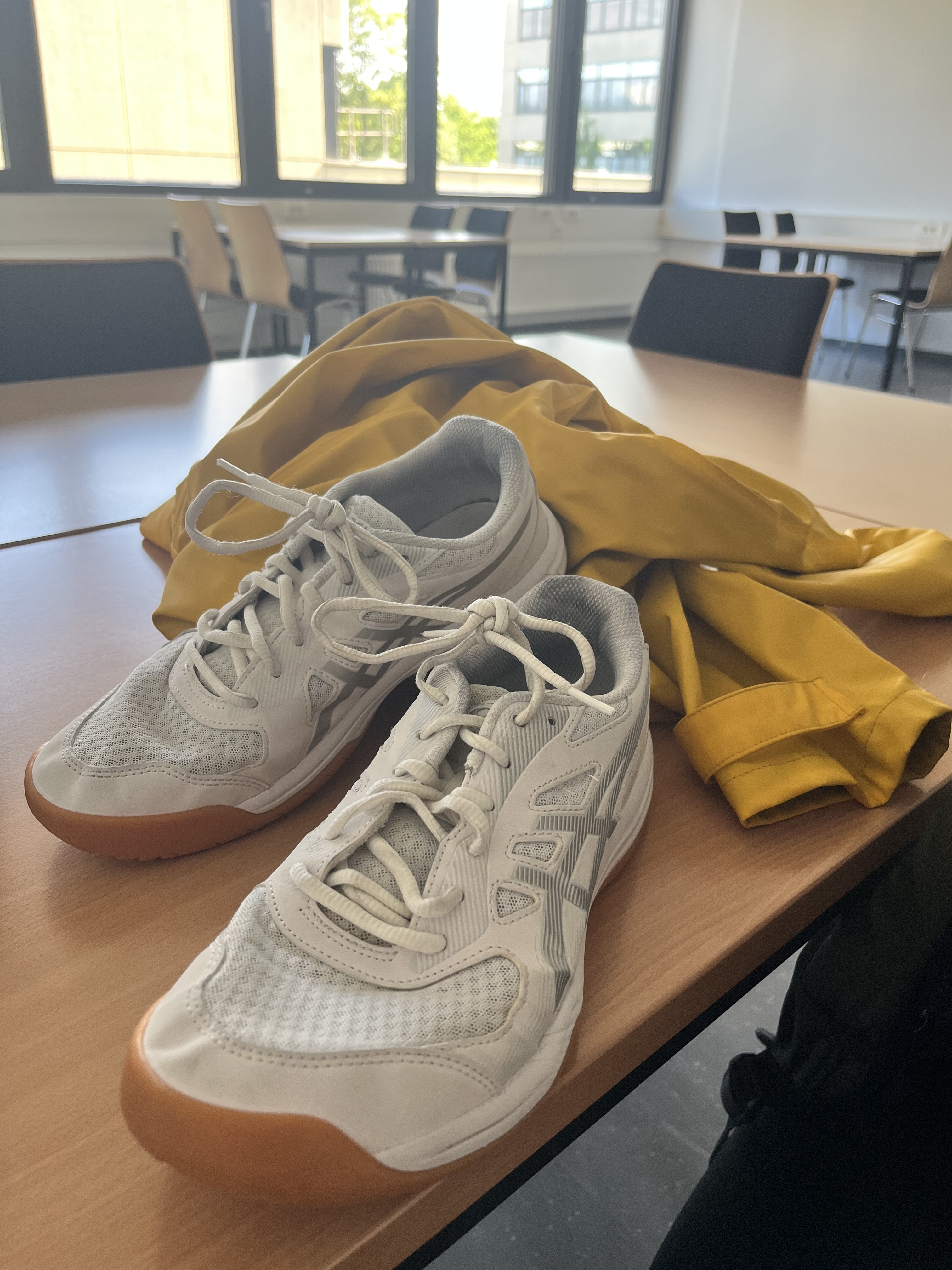


”Fun” fact: Procrastination is an emotional issue, not a matter of poor planning. Buying a planner or installing an app, though useful in other respects, is not likely to solve procrastination, because it does not get at the source of the problem.
procrastination is defined as “the unnecessary and voluntary delay of intended tasks despite awareness of potential negative consequences for oneself or others. Contemporary research frames procrastination as an emotion regulation strategy, where individuals do not avoid the task itself but the negative emotions associated with it (e.g., anxiety, frustration, boredom). From the perspective of Temporal Motivation Theory, in which motivation is determined by the combined effects of expectancy, value, impulsiveness, and delay, procrastination is more likely to occur with tasks with low expectancy, low value, and distant rewards, combined with high personal impulsiveness.” — APA Dictionary of Psychology


Leave a Reply